 Long Read
I’ve been part of Heart of Glass’ ‘With For About’ since the launch of the Northern Faculty of Social Art Practice in 2015. Over that time, it has become a vital space to come together with comrades, allies and accomplices from St Helens and beyond - to discuss, argue and reflect on the urgent questions facing social and collaborative art practice.
Since its inception over a decade ago, the gathering asked what we really mean by collaborative practice. The word 'conference' still feels too formal. It has explored how social art intersects with activism, nature, civil society, care and the commons. It has also asked what is demanded of us as artists 'when words no longer seem enough.'
Whilst experimenting with structure and shifting the focus of each year’s invitation in response to the times we are living through what has remained constant is a deep commitment to placing the communities we make our work with, for and about at the centre of the debate.
Theory and praxis, panel discussions and practical workshops are sensitively curated to ensure everyone feels invited to contribute to the shared critical reflection. Space is purposefully set aside for those chance encounters and conversations that can often feel as important as responding to the provocations offered.
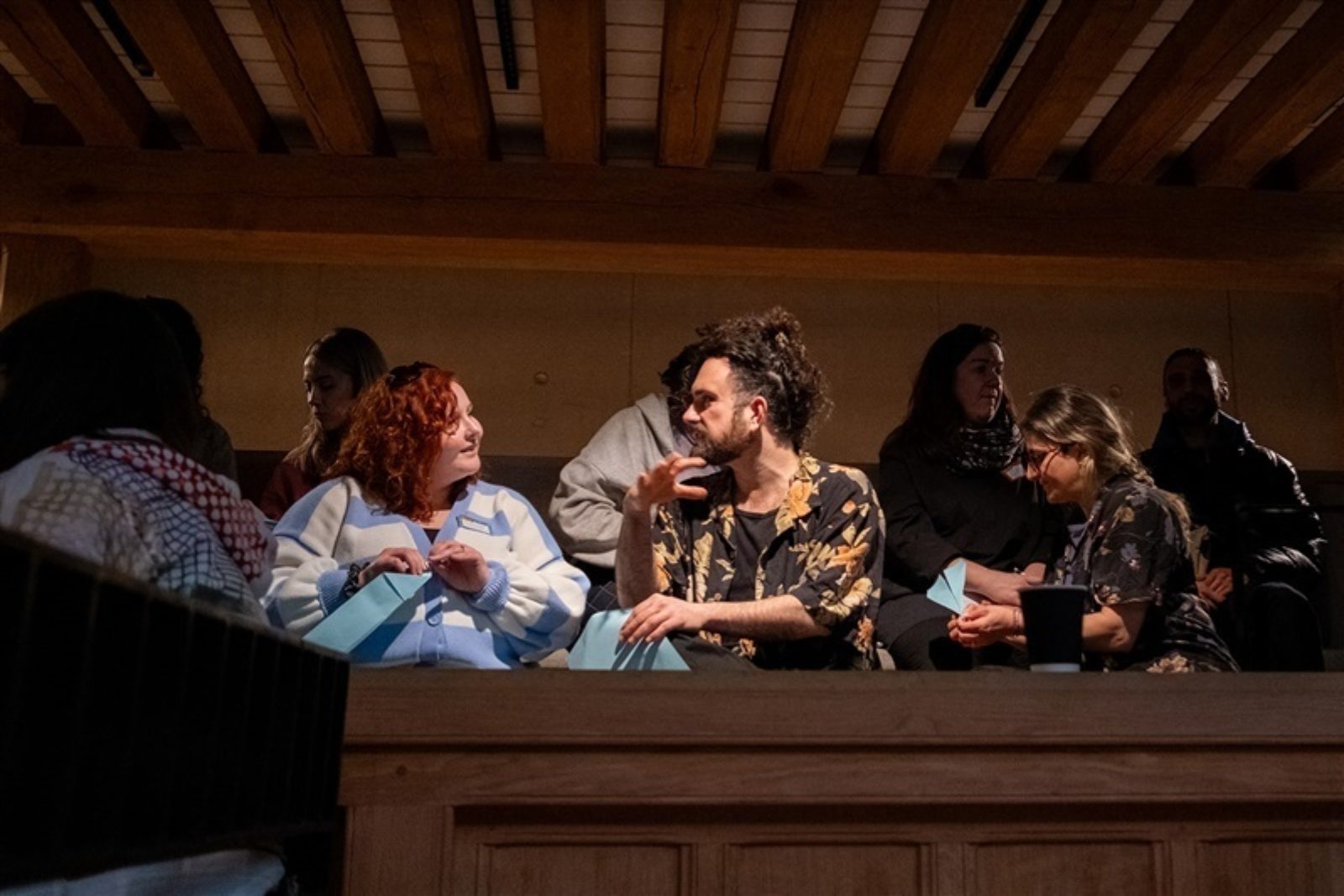
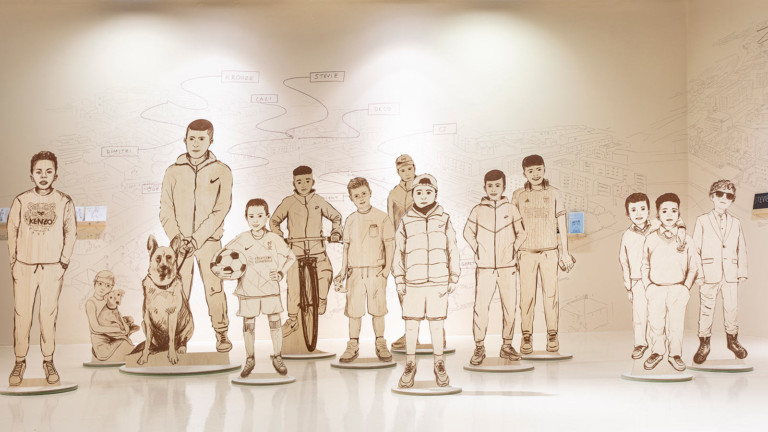
Artist and educator Sarah Bailey’s decision to focus this year on the practice of artists, community organisers and teachers who work with children and young people felt both pressing and prescient.
The film of Mark Storor’s Baa Baa Baric Have You Any Pull? which opened the day was potent, moving as it does from children distributing wildflowers to a public sharing of their plea for a world where everyone stands up for the rights of others.
At a time when our global retinas feel permanently imprinted with images such as those of children’s backpacks strewn among the wreckage of bombed school buildings, it was impossible not to recognise how crucial it is for artists and arts organisations to take time to consider how we best care for our shared future. And to find ways to ensure young people’s voices and lived experience are not only acknowledged but are seen to matter, listened to and, most importantly, heard.
"Enticed to play, imagine and re-see our own childhood, as part of re-visiting past work we were invited to look for clues to the values that have driven our practice."
The invitation, for us as adults this year, was to bring our curiosity, questions and a sense of wonder to the shared space. Enticed to play, imagine and re-see our own childhood, as part of re-visiting past work we were invited to look for clues to the values that have driven our practice.
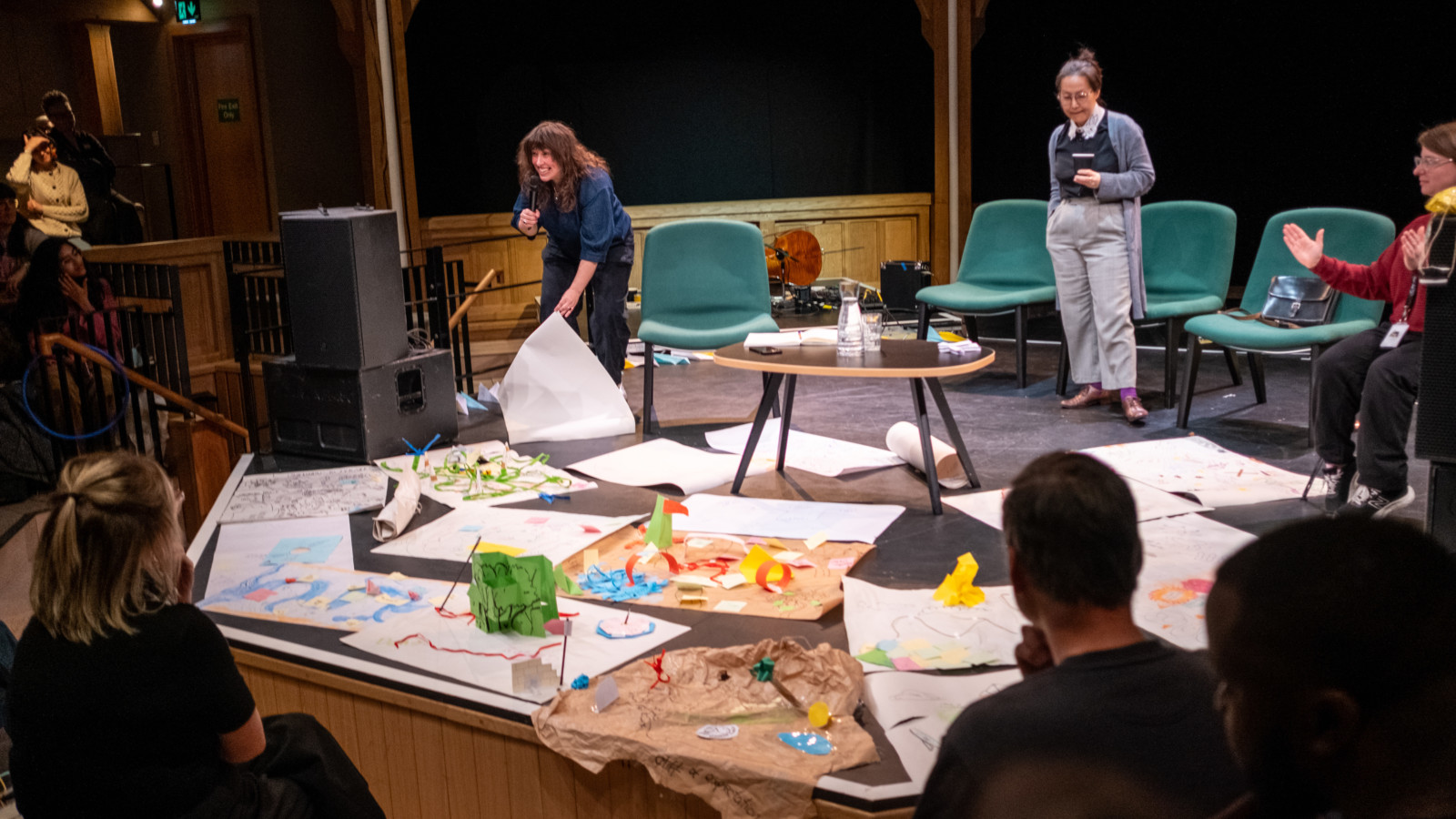
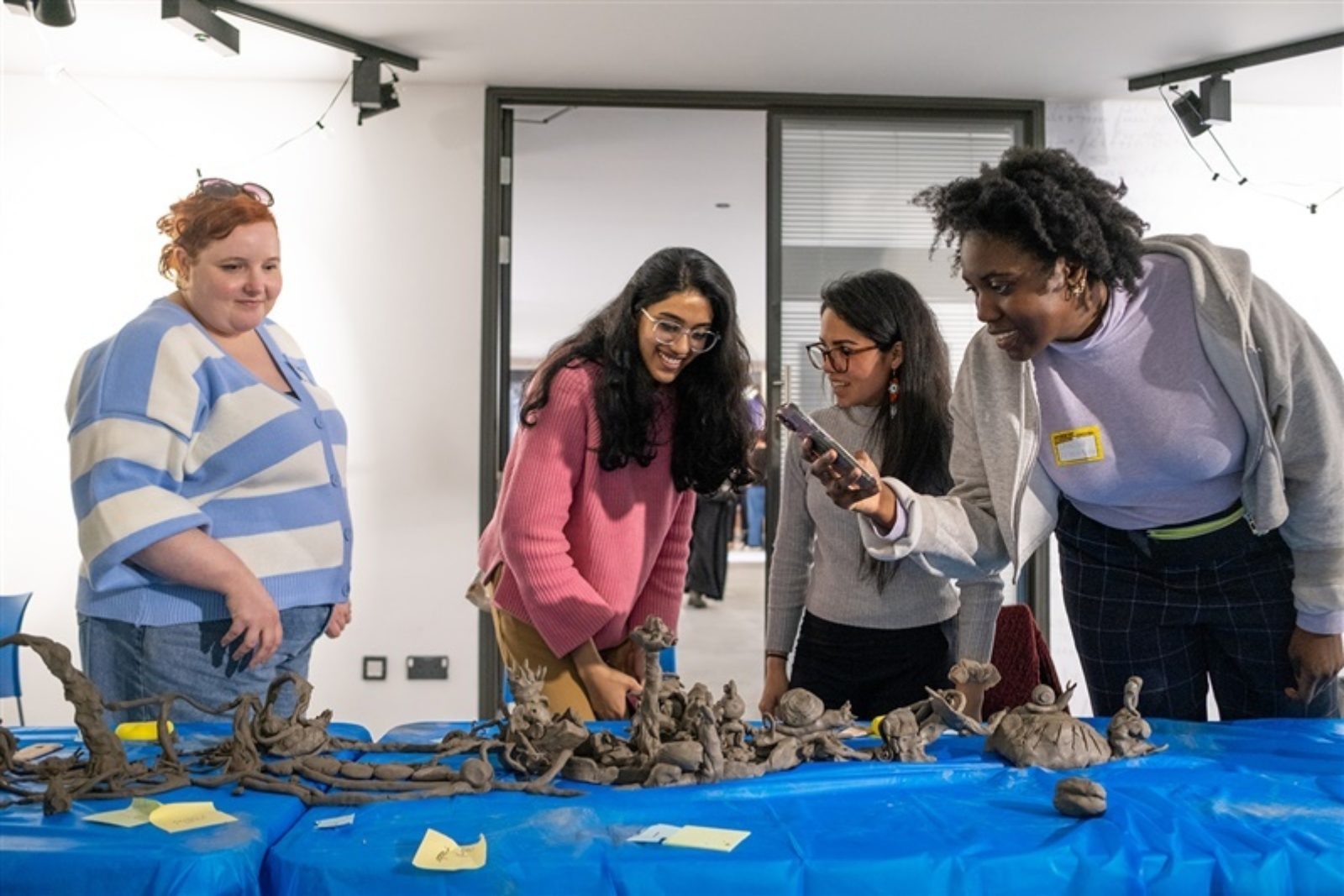
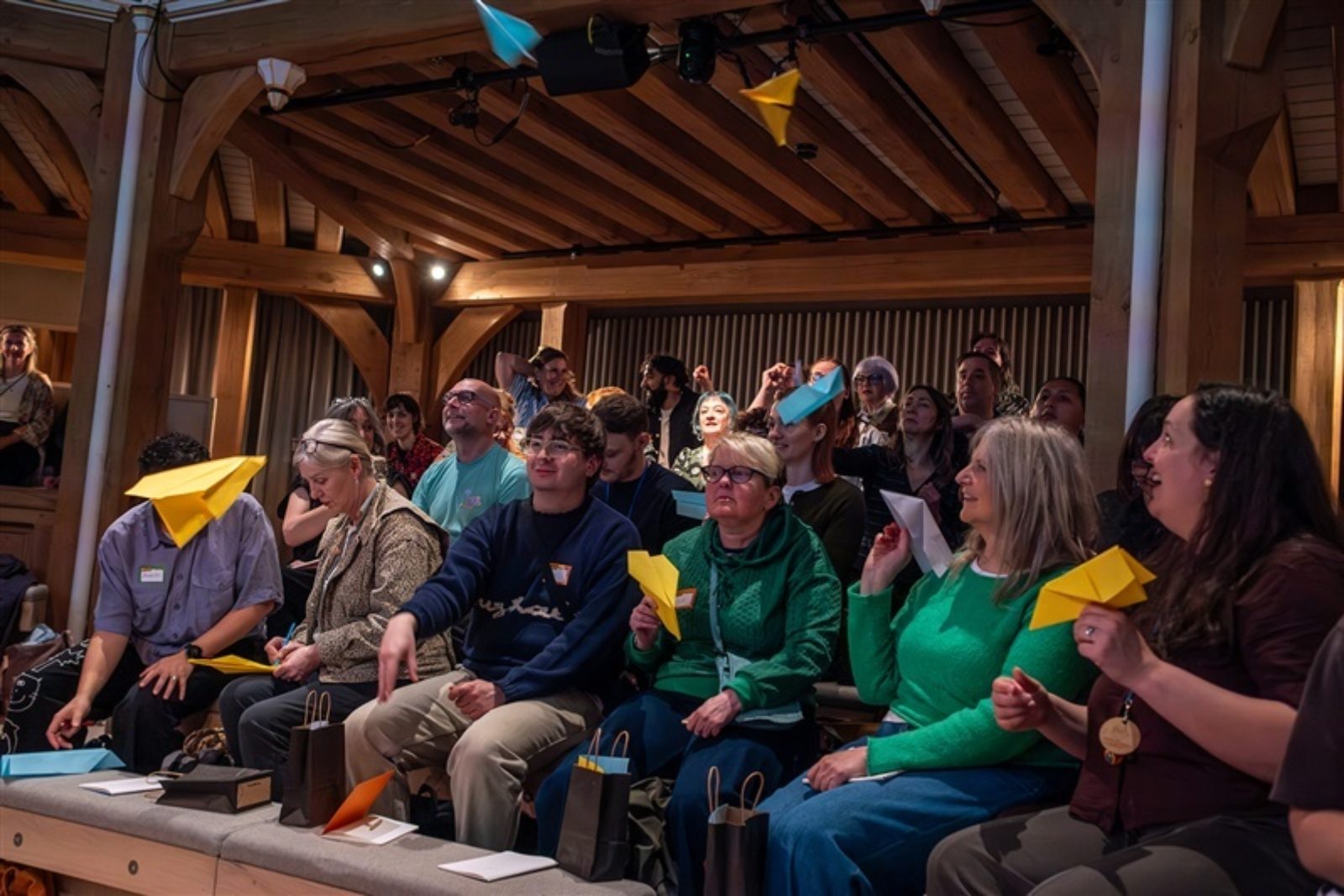
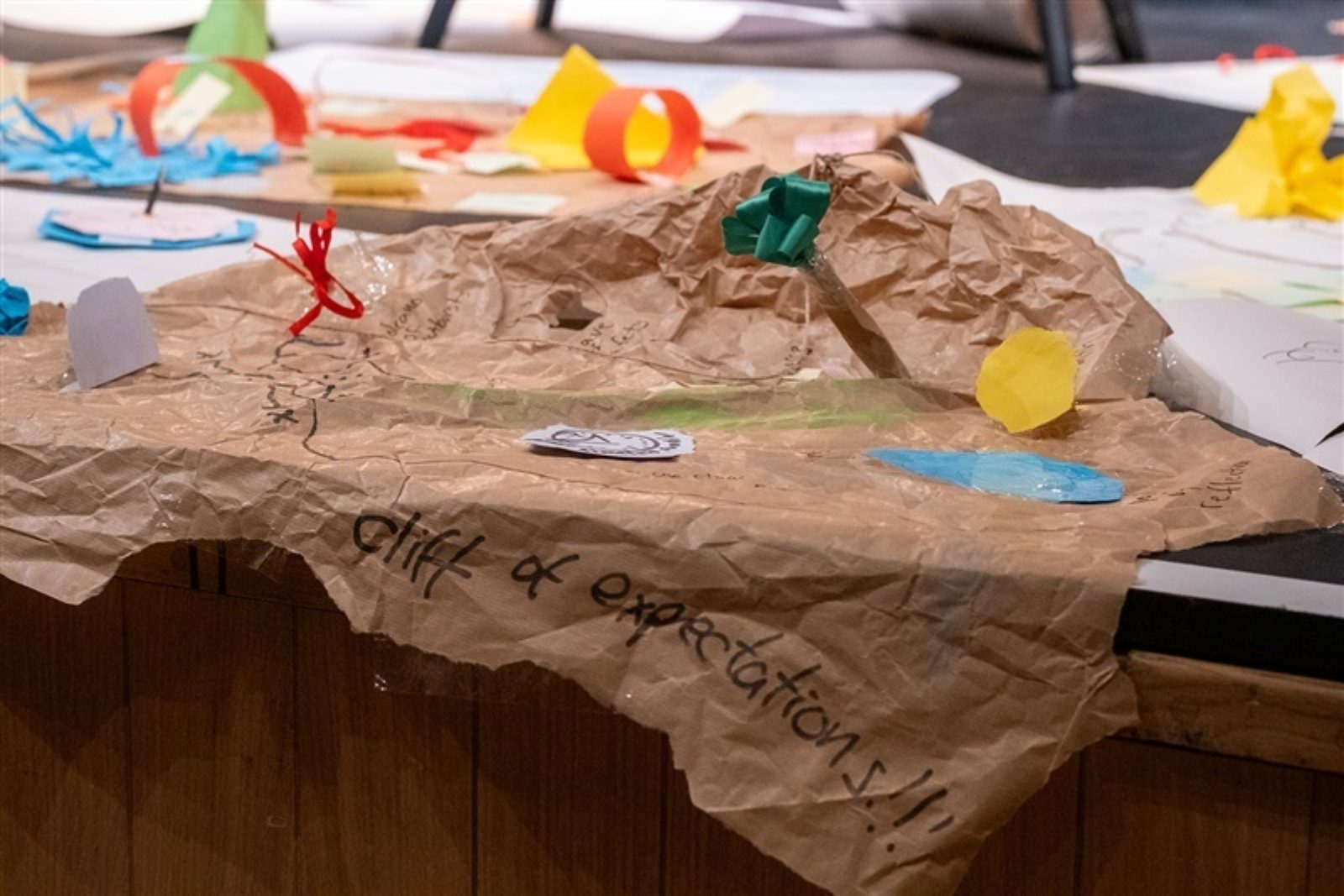
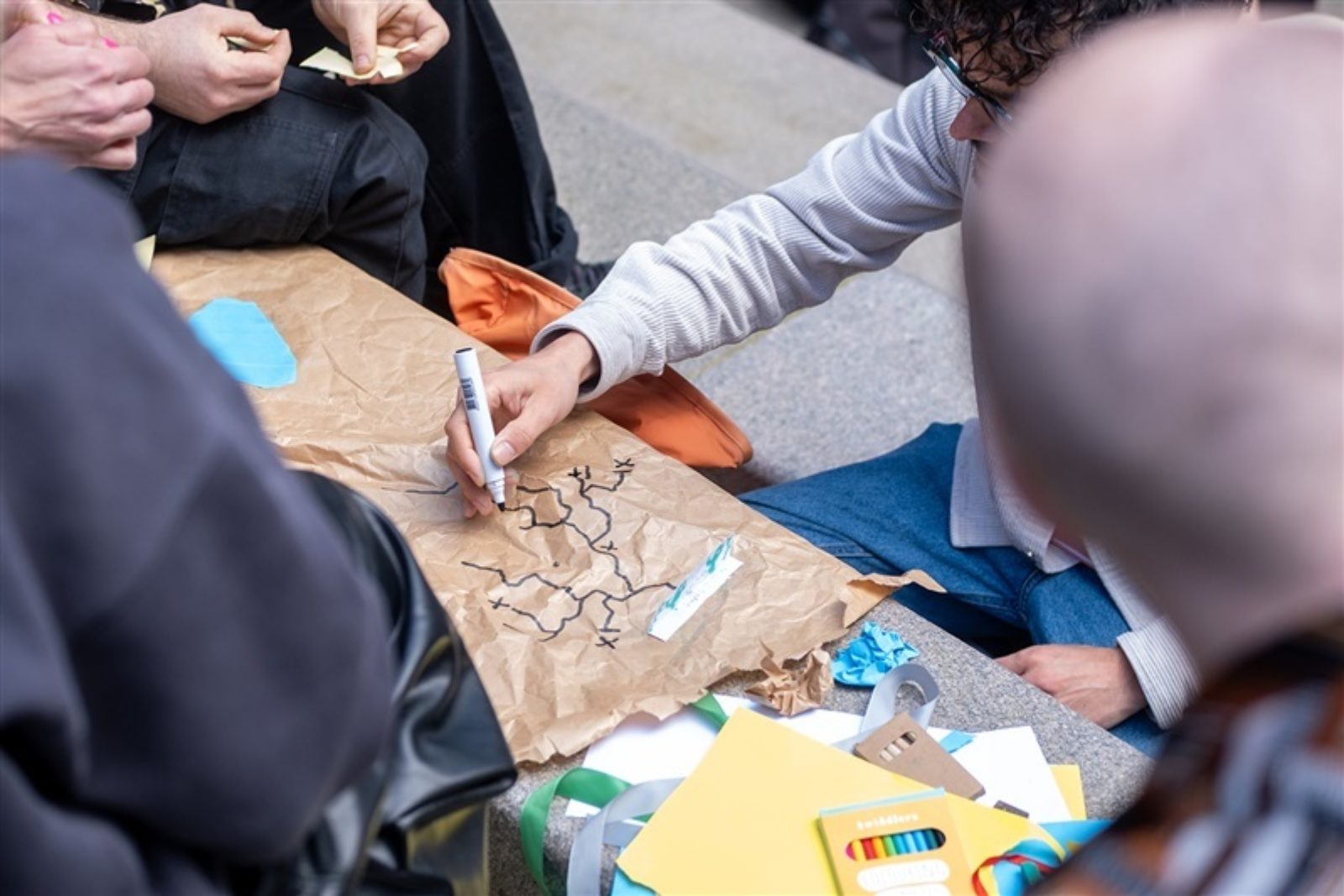
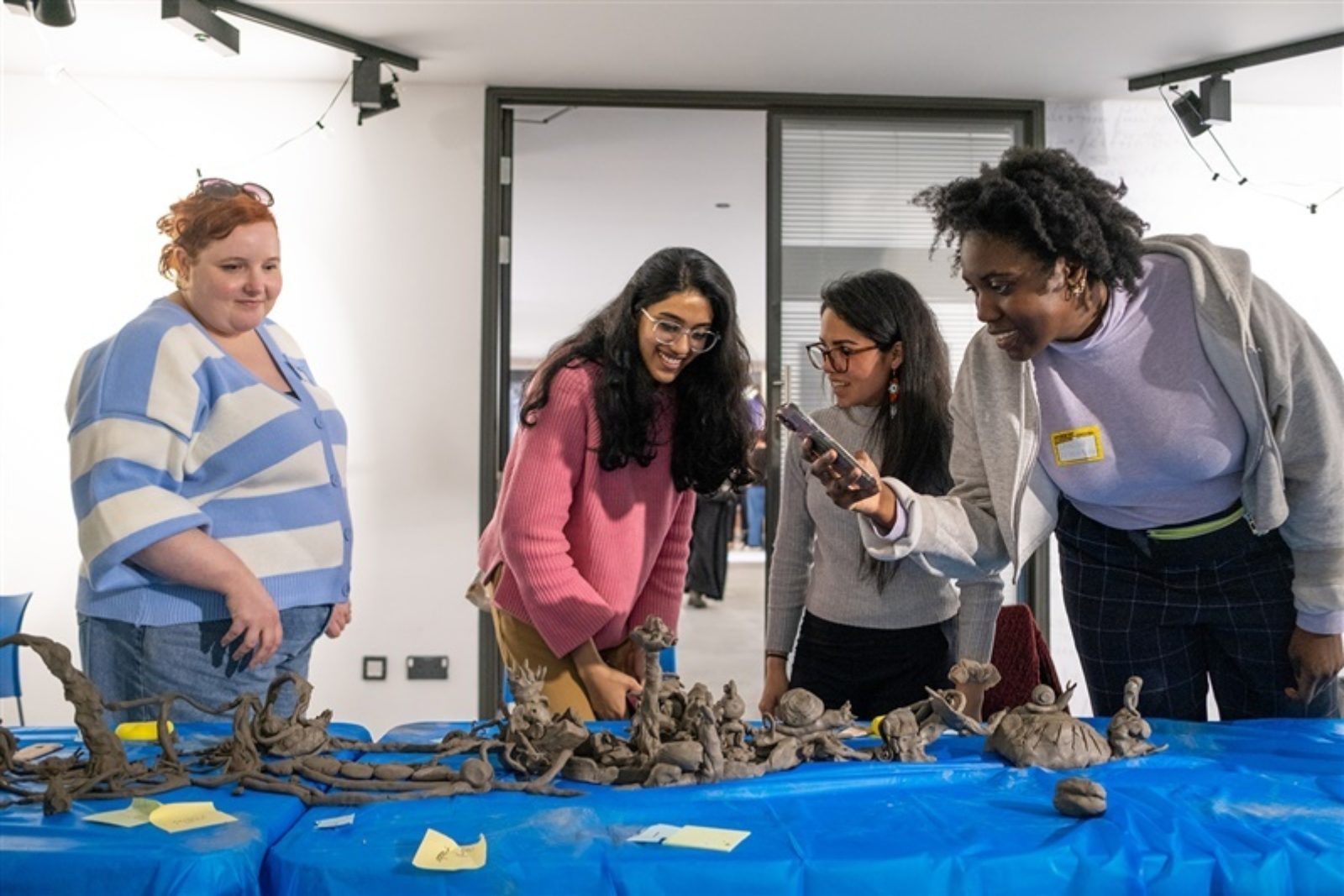
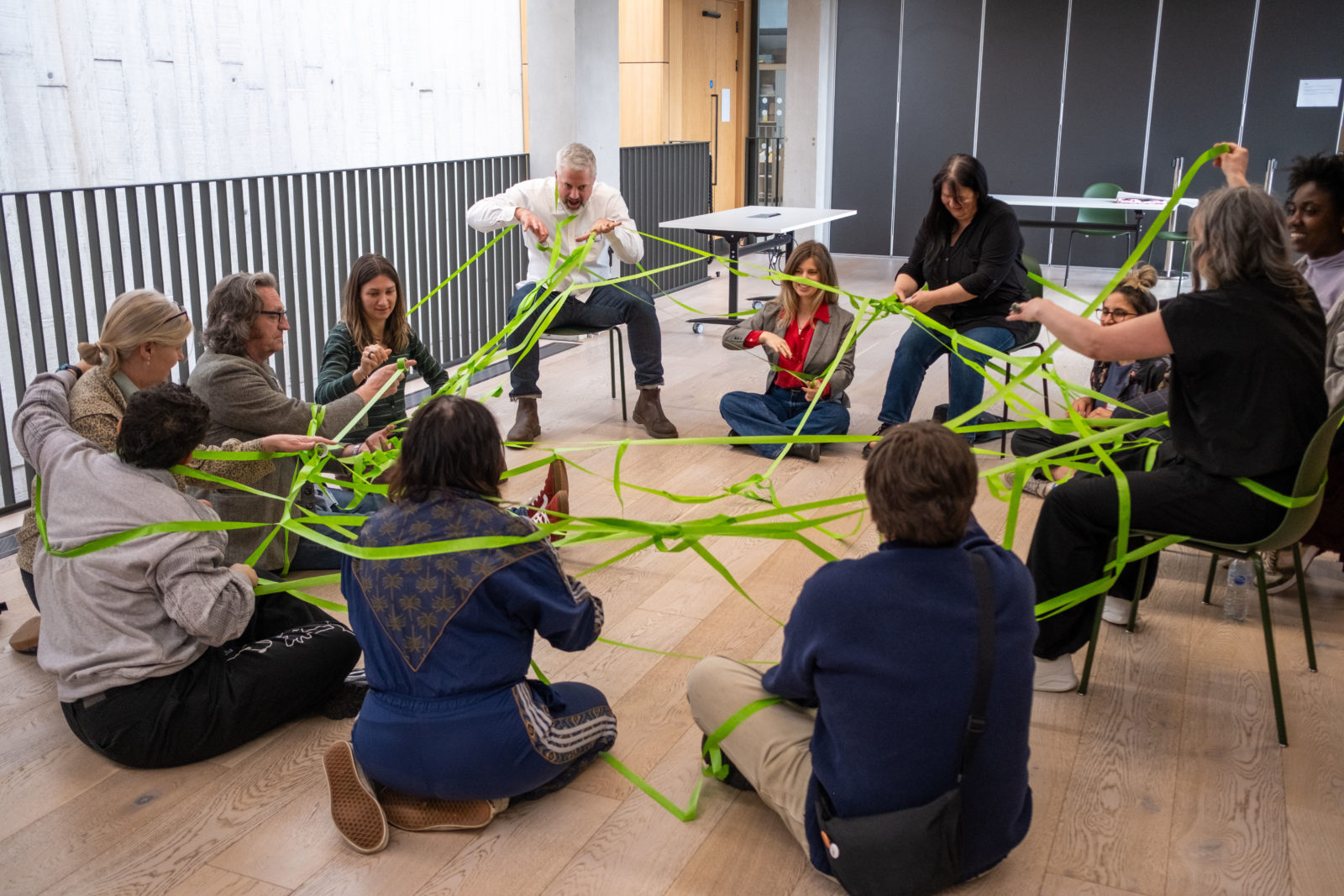
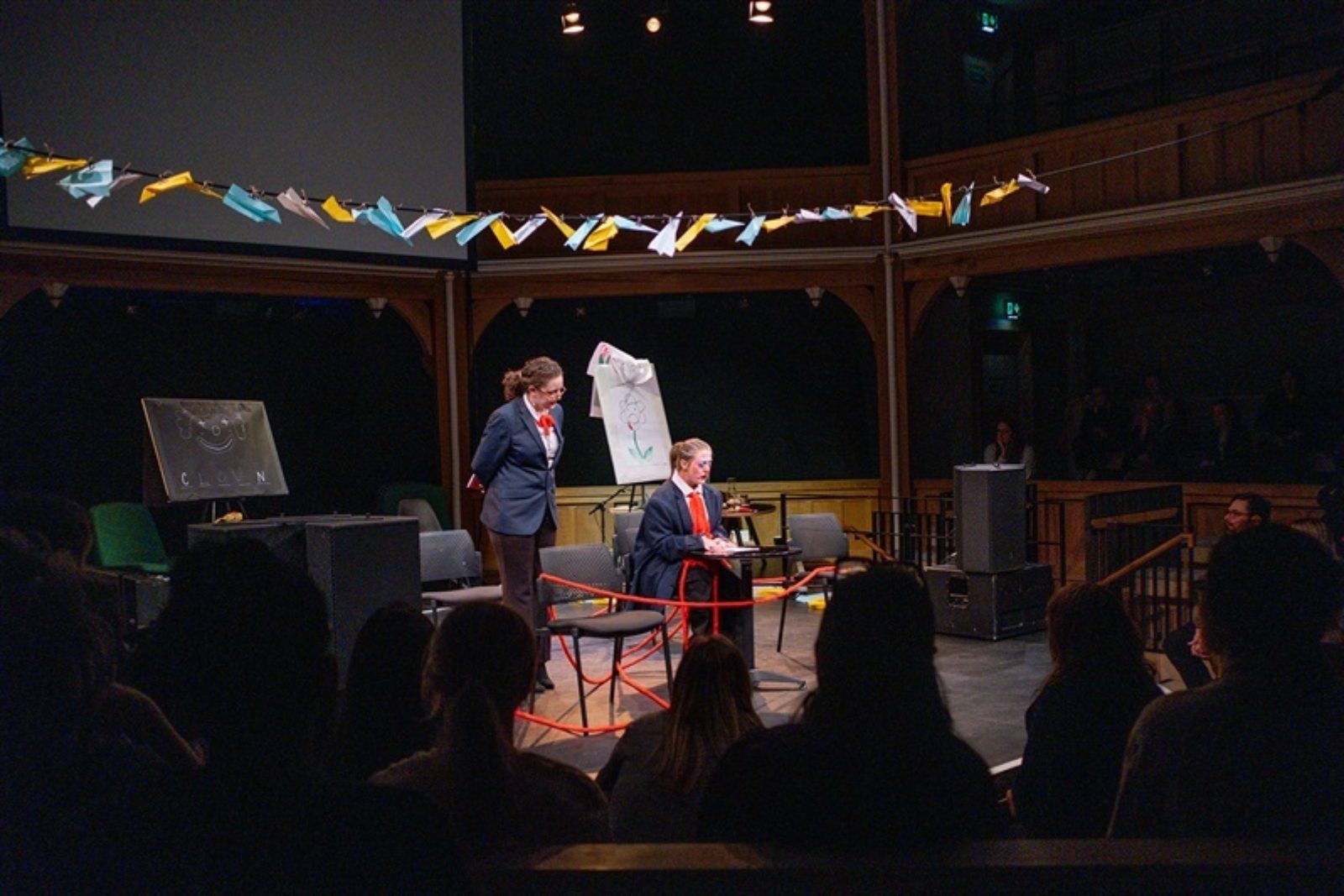
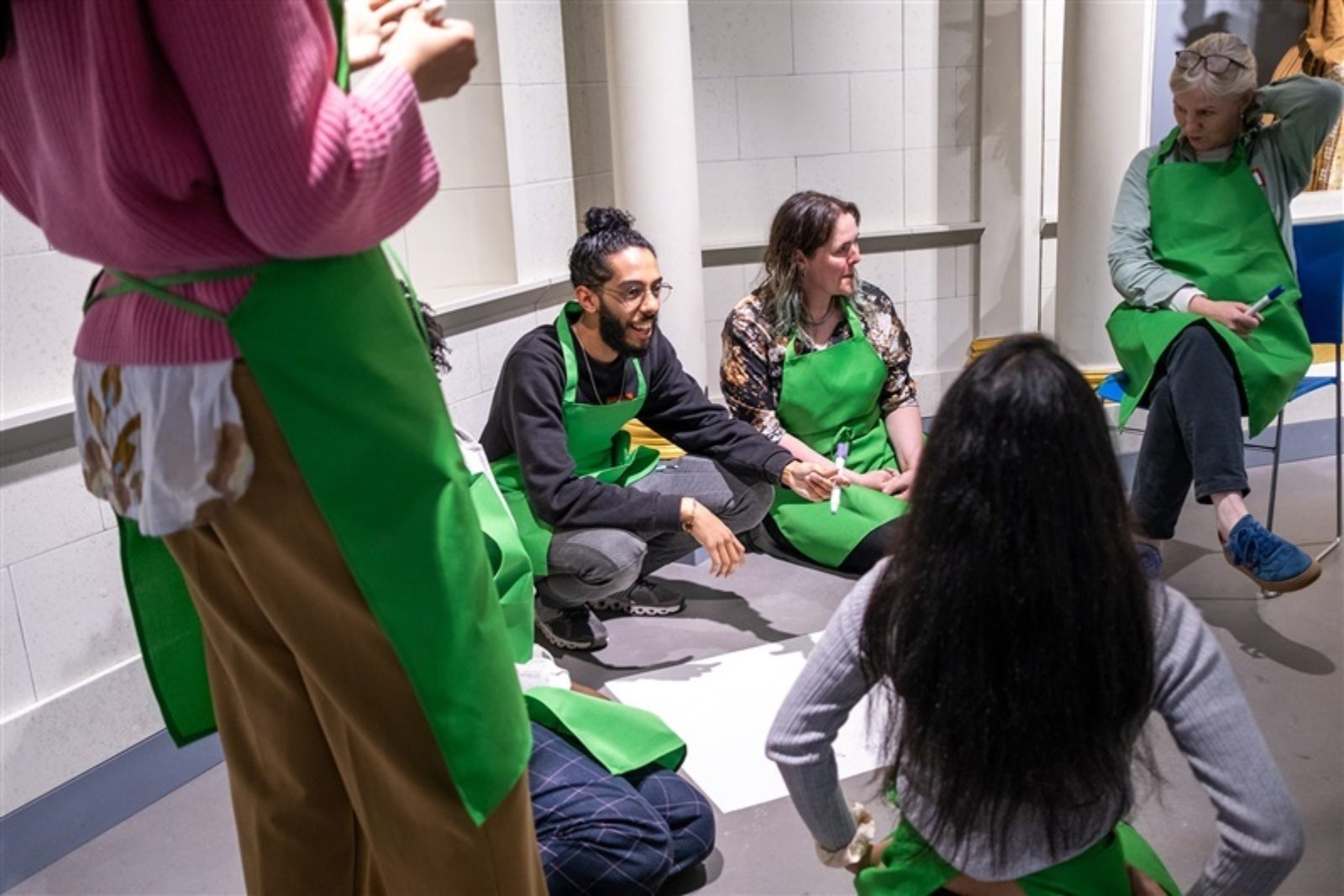
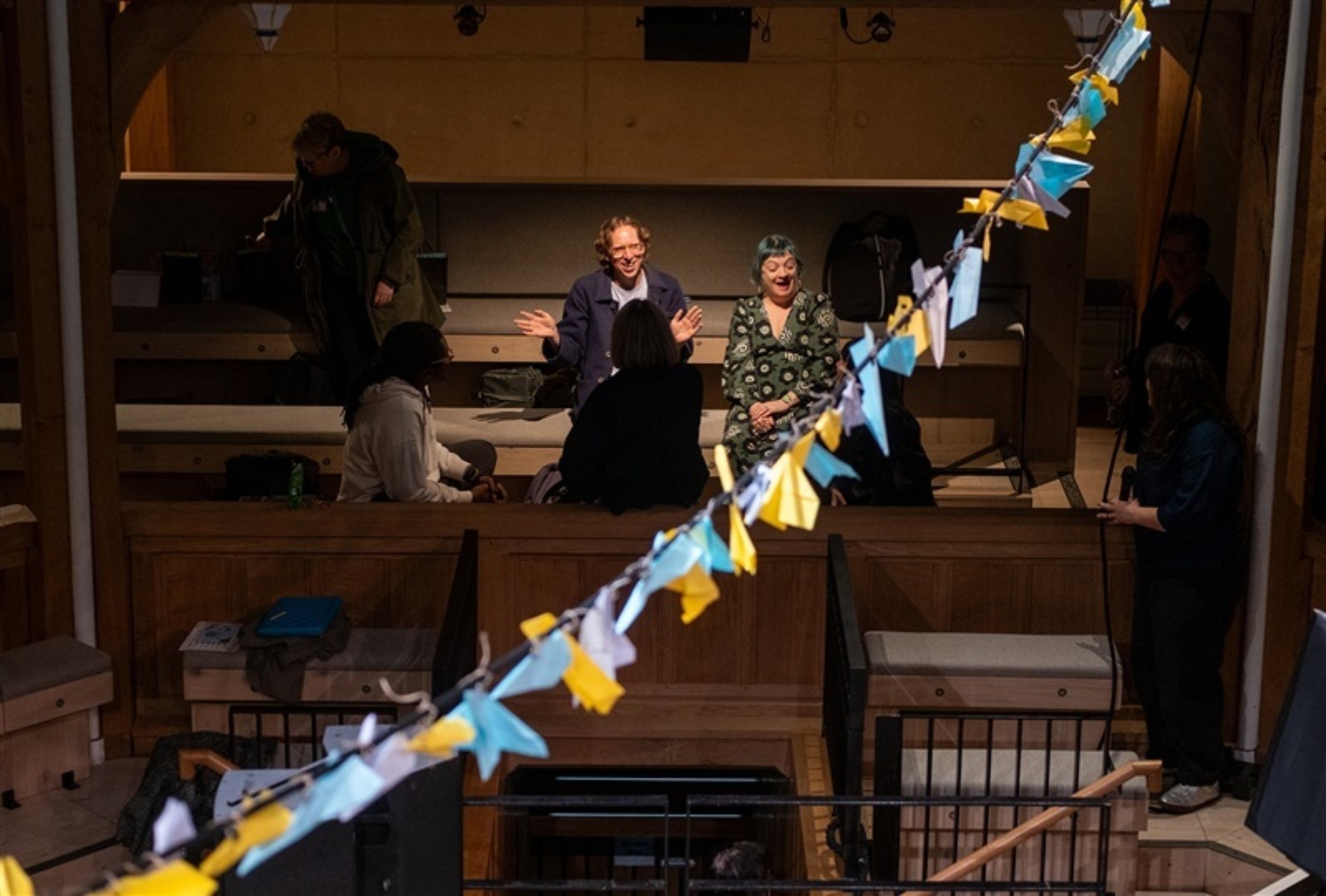
We drew pictures of trees whose branches asked questions we felt mattered and whose roots named what had inspired us. Flying paper planes with our hopes for the future inscribed on them, we were encouraged by artist Hwa Young Jung to become cartographers, creating maps of imaginary projects and exploring collective making as a thinking process.
Physically recording our imagined successes as well as recognising potential challenges, we explored what we named the dark forests of wonder, while opening ourselves to the magical possibilities of risking failure.
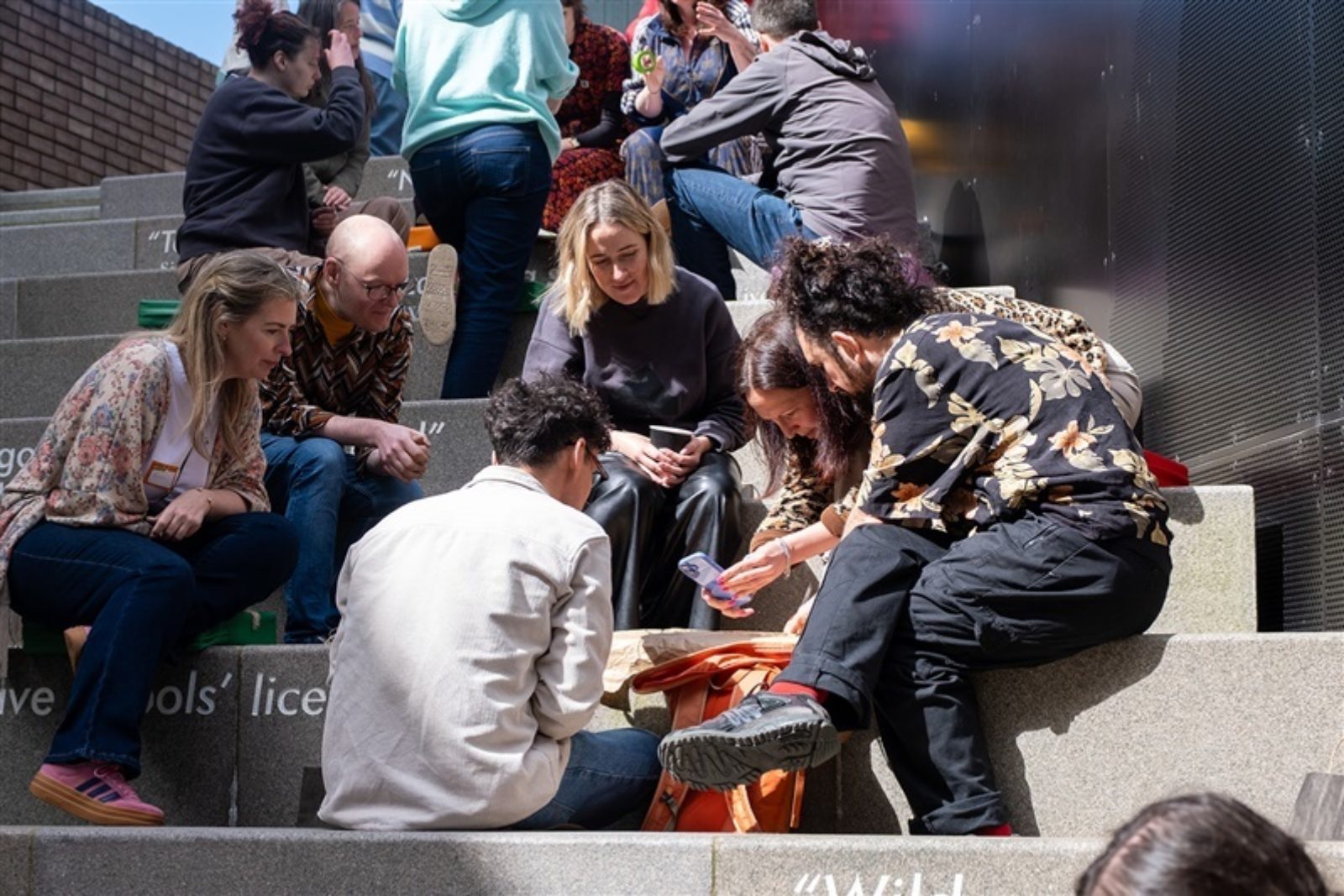
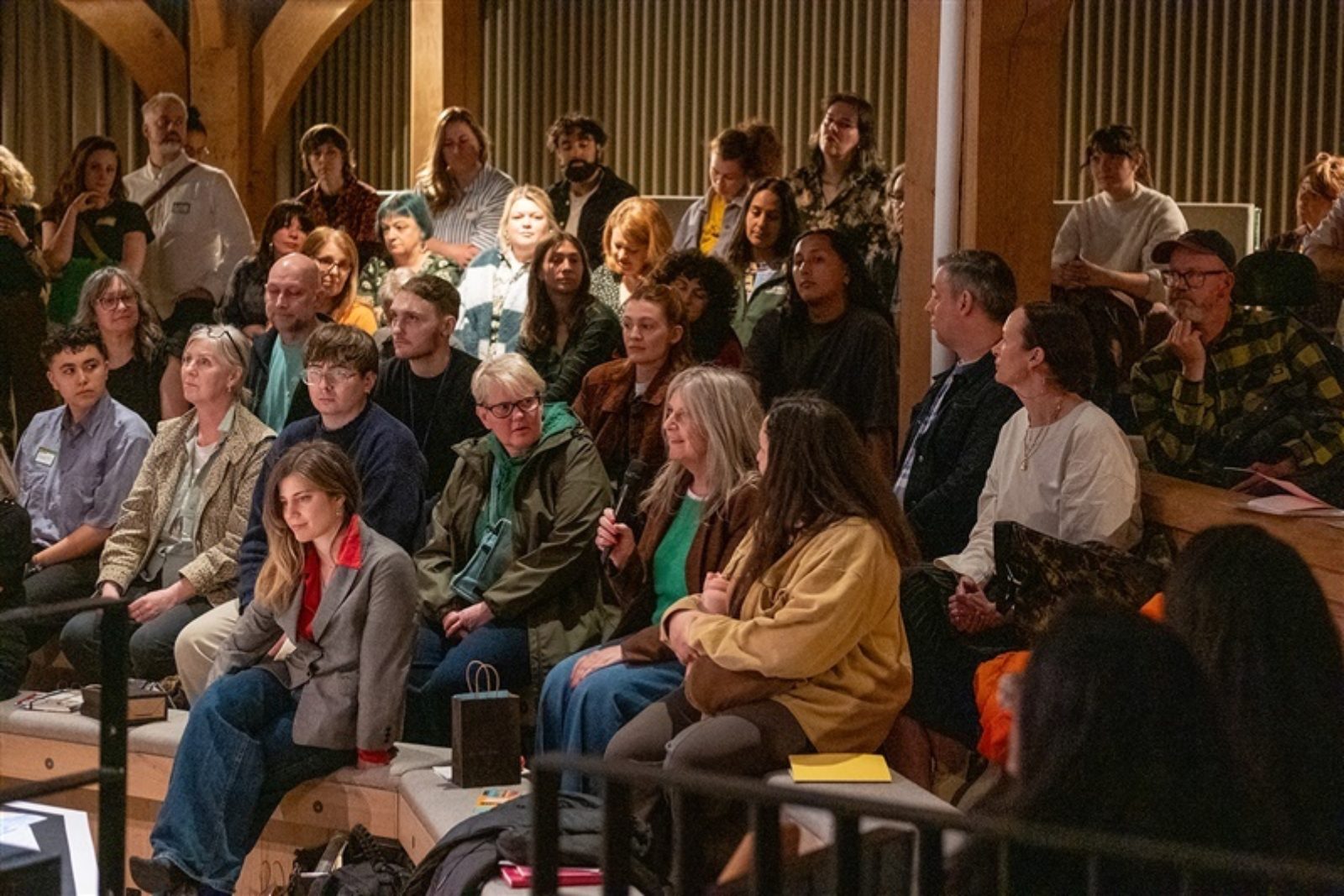
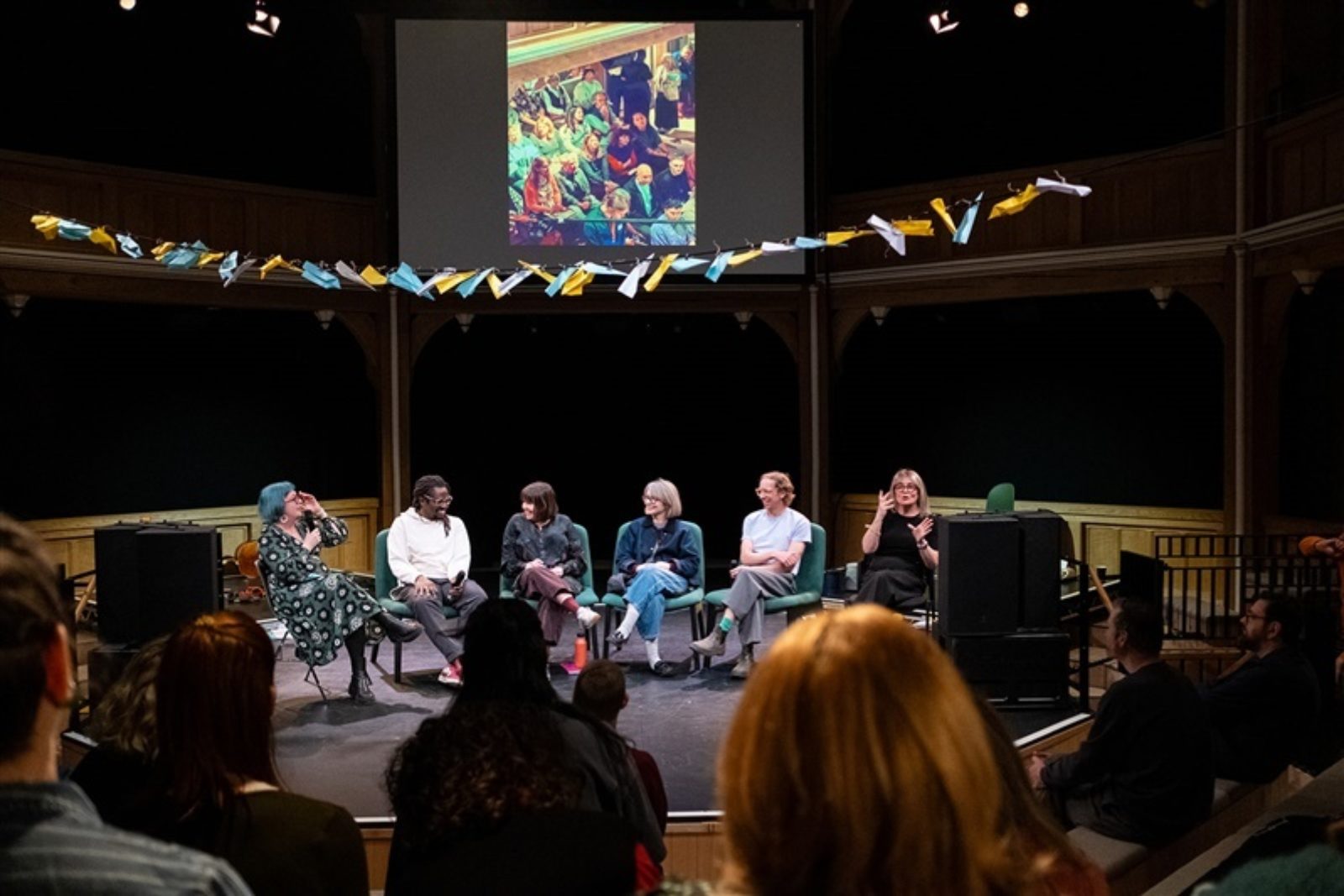
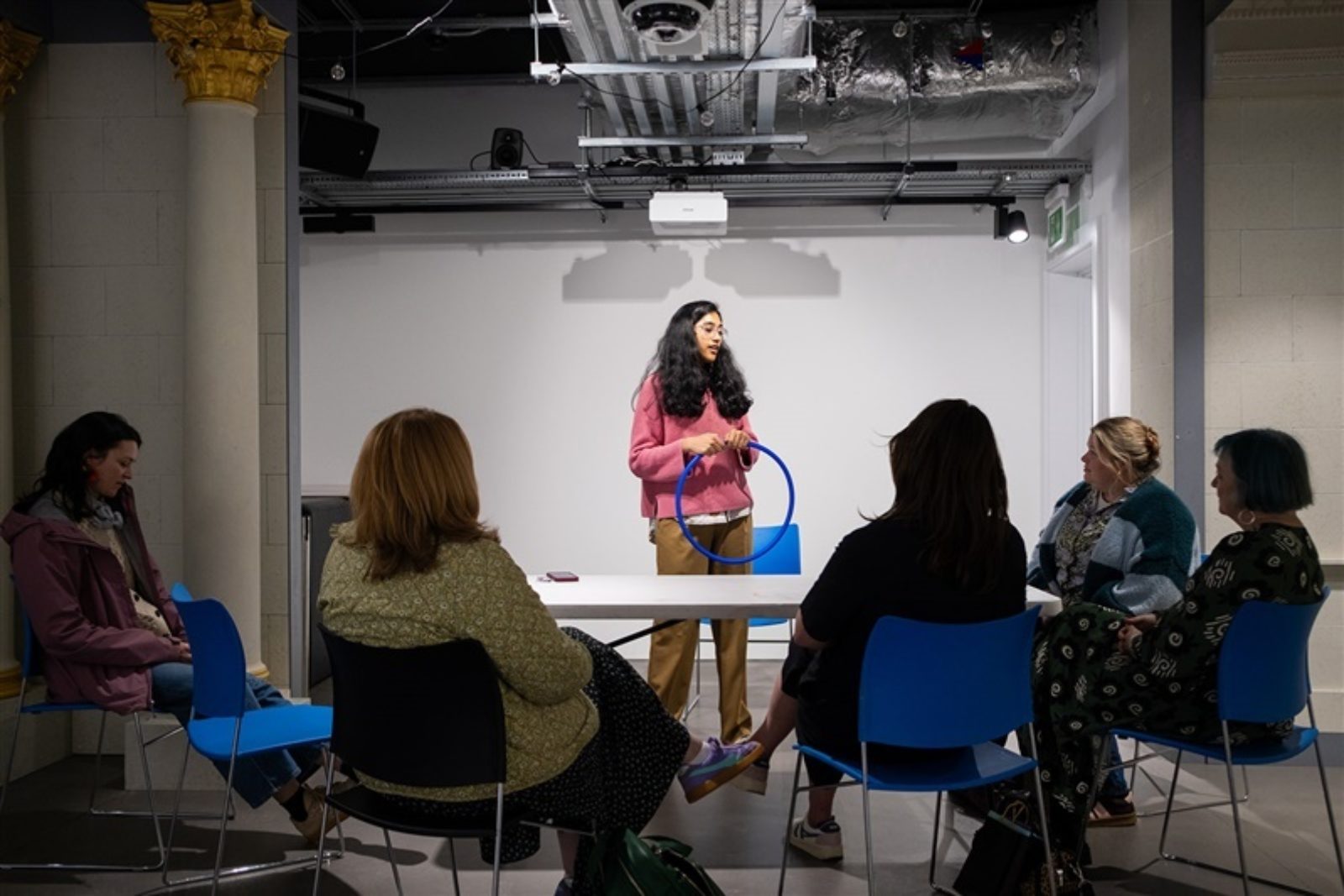
Words such as kindness, care, trust and respect threaded their way through the panel discussions that intersected the day as if part of one extended conversation. People spoke about finding new ways of listening that went beyond our roles as teachers, social workers or artist facilitators. Andy Field reminded us of the need for shared respect and mutuality while Fiona Whelan emphasised the importance of insisting that the right people not only hear children’s voices but also begin to understand the knowledge and wisdom they bring to those encounters. We were invited to think how we might create empty spaces, liberated from outcomes, products and funding constraints, where we could work together with young people to unpack ideas and create possibilities for reciprocal learning.
Responding to the invitation to experience work in different contexts in the afternoon I found myself participating in Larry Achiampong’s exploration of play as a means of resistance and identity-making.
Proposing we reflect on an object, habit or activity from our youth that still influences us, Larry began by sharing the story of his own compulsive fascination with gaming toys before inviting us to follow.
Holding the space in ways that provoked and supported us we each took to the stage, braved to explore our individual and shared heritages. Hearing the voices, and accents, of young working-class women on the stage of Shakespeare North sharing stories of make-believe worlds, building ‘dens’ beside fly tips, carrying out expeditions in council estate woods or pretending to be tap dancers was extraordinarily celebratory as well as uncannily resonant.
Later, as an image flashed up of me sharing how my Yorkshire trade unionist, tailoress aunts had encouraged me to believe I could do anything, as long as I ‘dressed for the part’, I noticed the title of the session, ‘Who you meet on the road’. It felt movingly apposite for the rich intergenerational encounters Larry had created.
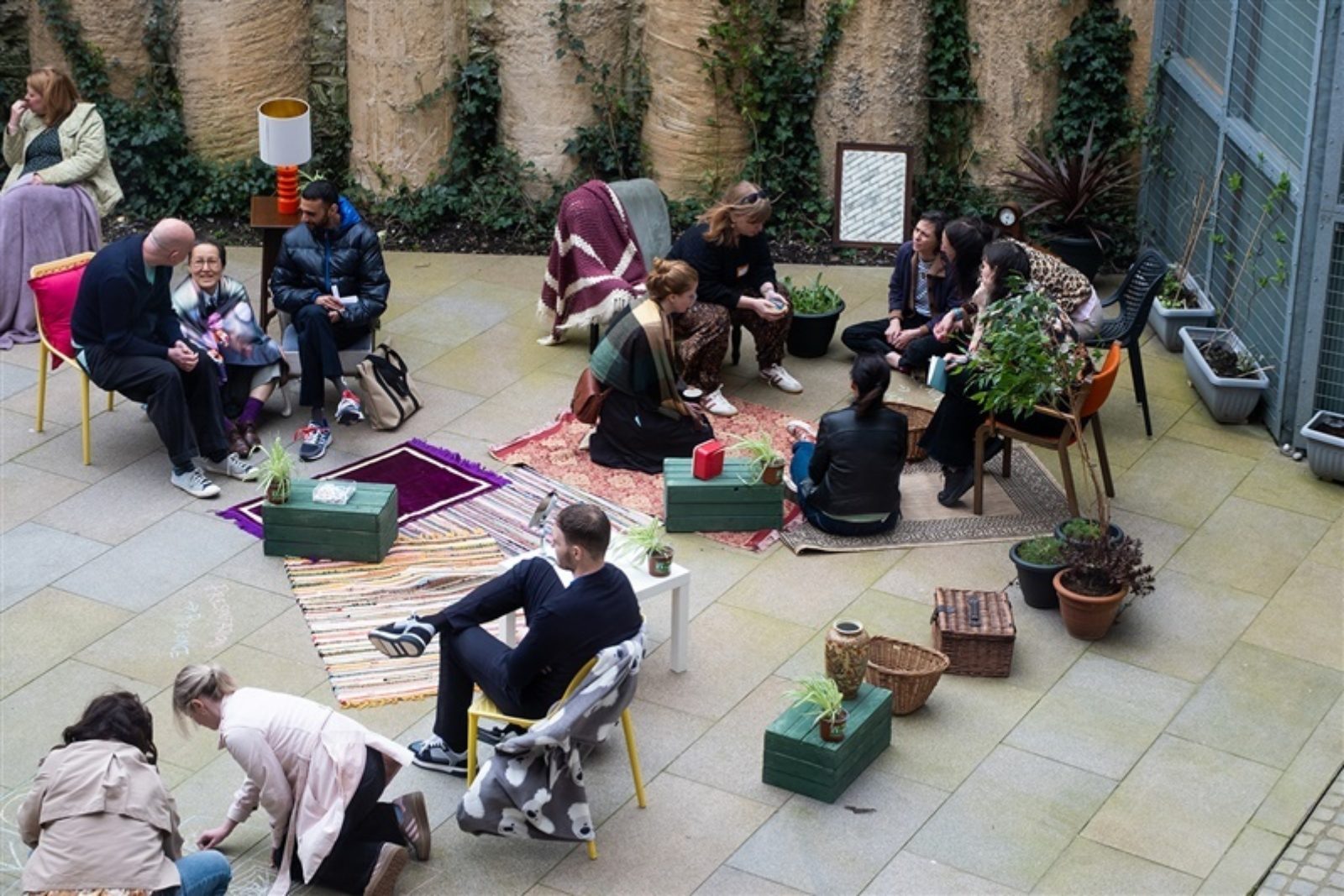
Later, Fox Irving’s beautifully designed space to explore different artists’ responses to the ‘more than human world’ from bee-keeping to dance reminded me of the importance of staying ‘in the wonder’ and simply being present.
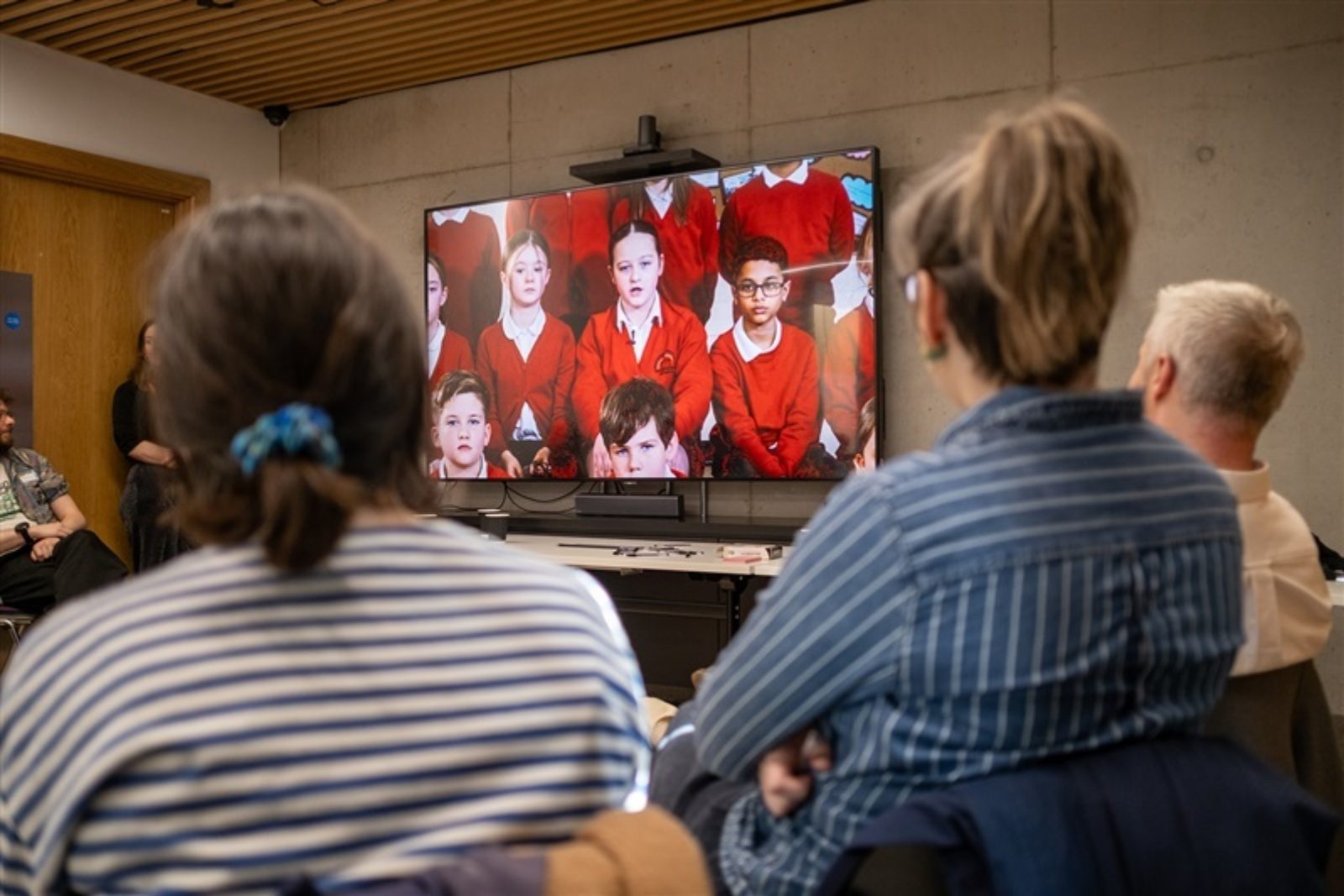
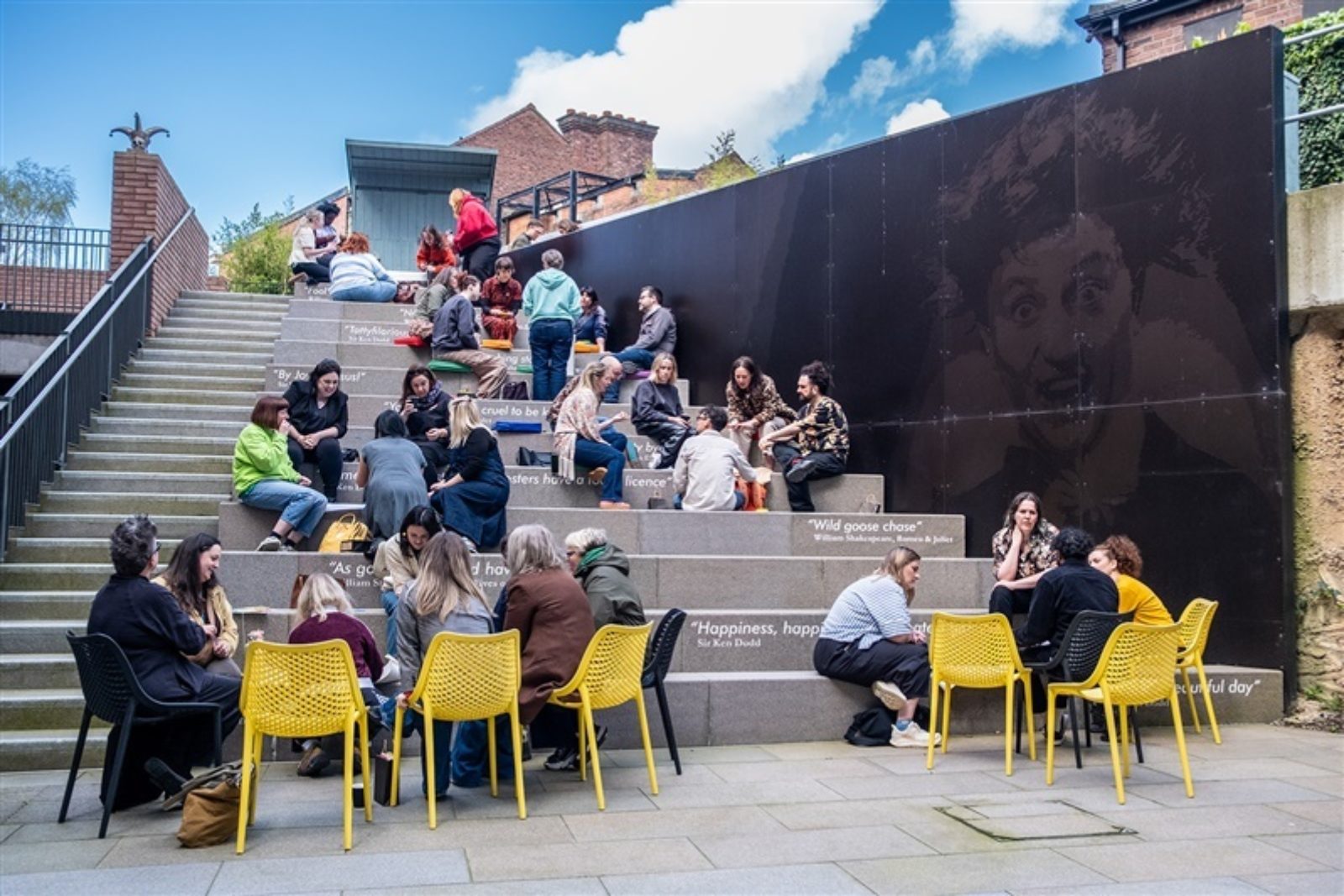
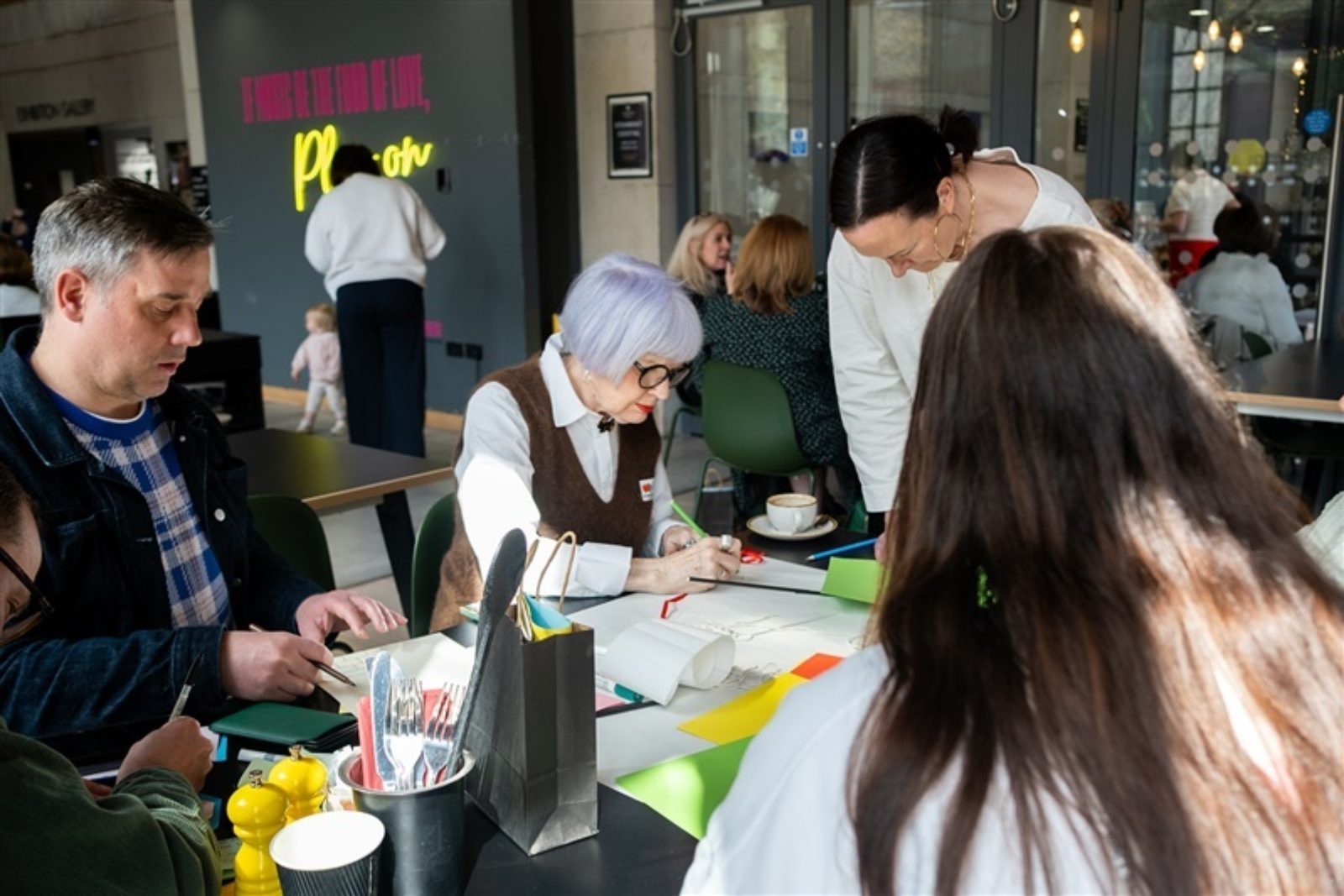
But, if this was primarily a day for sharing practice and considered reflection, recurring panel discussions ensured the complex challenges facing young people today, from the speed of societal change to the ubiquitousness of AI, were never far from the forefront of our minds.
As government policies become outdated even before they can be implemented, we were reminded that artists are increasingly having to find their way around systems that - as Ugly Bucket theatre company wittily demonstrated - are not constructed with them in mind. The pressure to produce the right outcomes means many of us have become afraid of failure, nervous of taking risks or insisting on securing the time needed to build shared trust and understanding.
Hierarchies of gender, class, race and dis/ability and existing power structures continue to oppress those who do not have the means to support their work outside public funding streams. Accepting social change and social justice will never be things we can bring about by ourselves, Lisa Jacques suggested by working together, as arts organisations and artists, we can begin to model those small shifts of power that finally cause a domino effect that could impact everything.
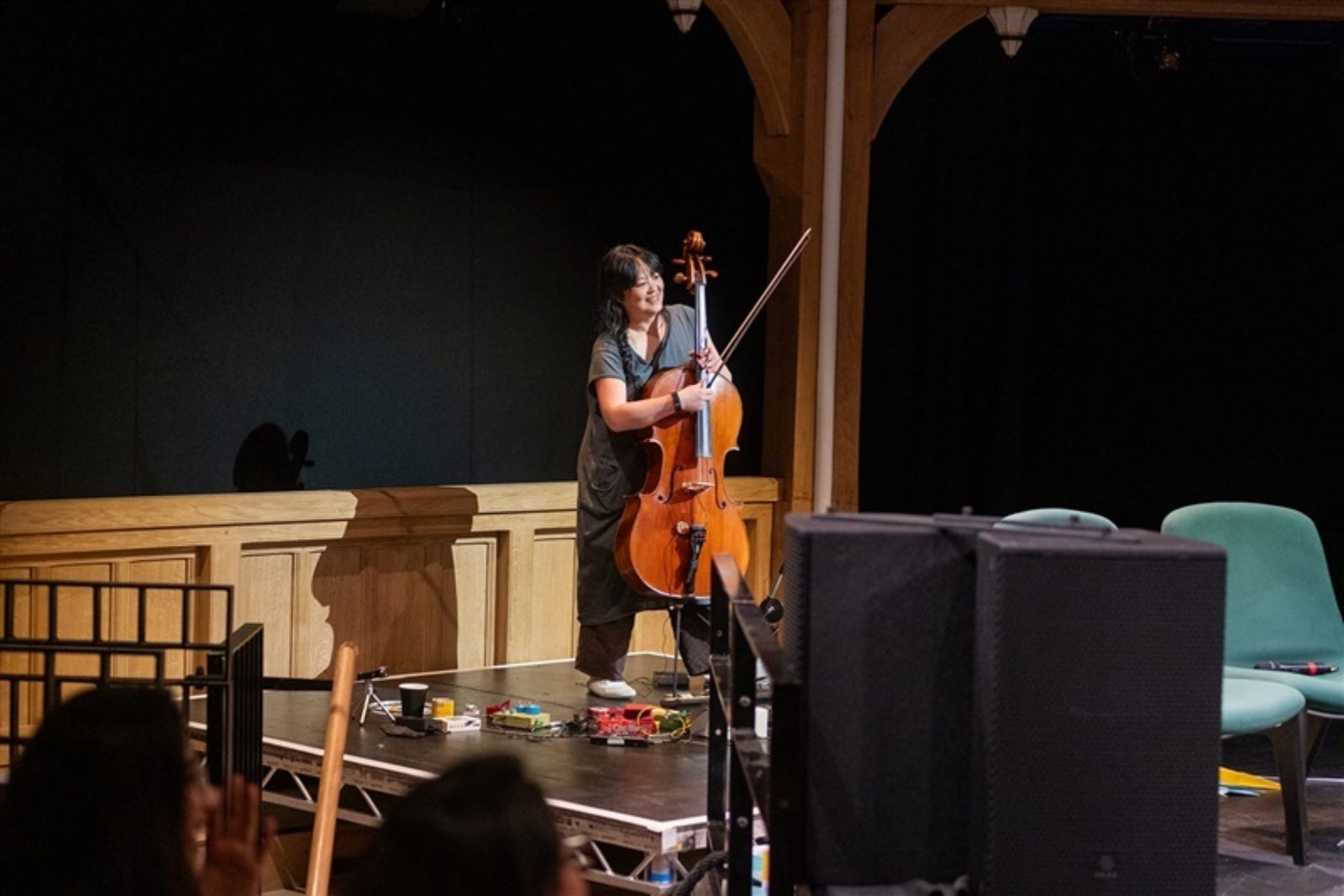
As the day drew to its end, and cellist Semay Wu shared her musical reflection, participants spoke about how important it had been to be in a space that was more about process than product and where the emphasis had been on encouraging critical thinking rather than showcasing success. Someone praised the generosity everyone had shown in this space. Others spoke of the impact the invitation to play had had on their desire to rethink and reshape their own practice.
As I left for my train, someone shared a child’s reflection from The School of Tomorrow: what children mostly need is 'kindness and care.'
It was hard to imagine a more fitting way to end the day.
 On Now