
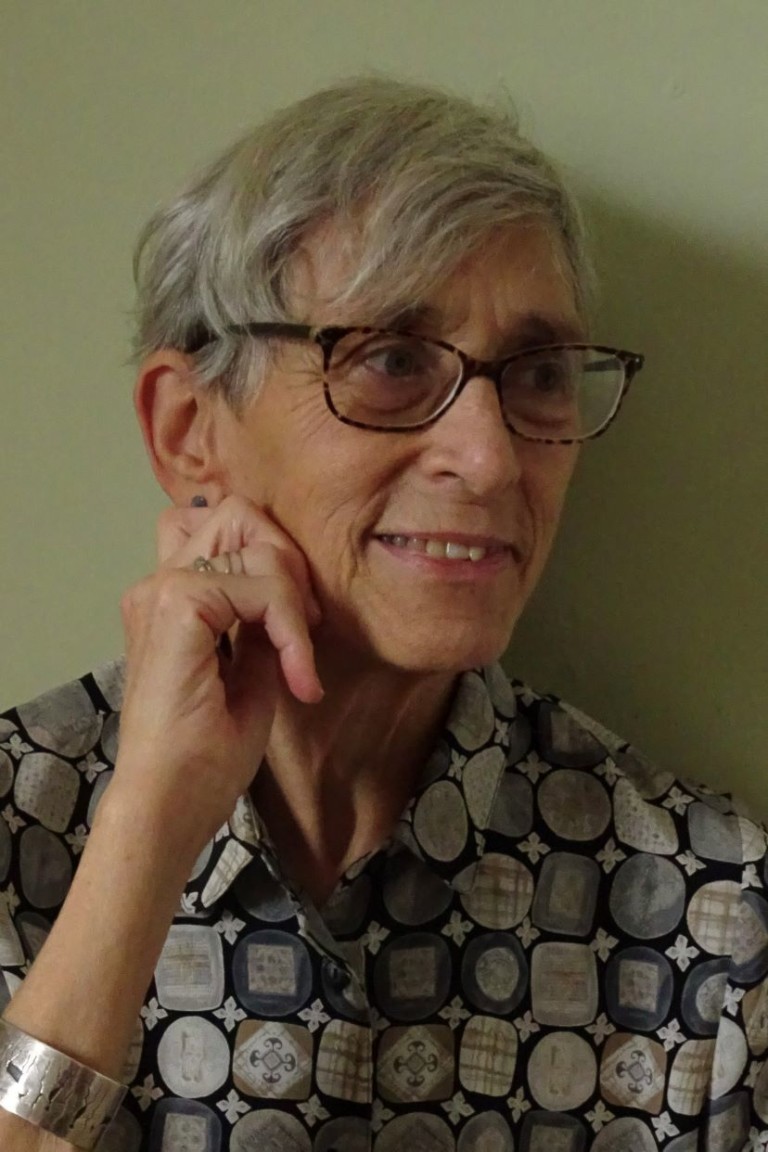
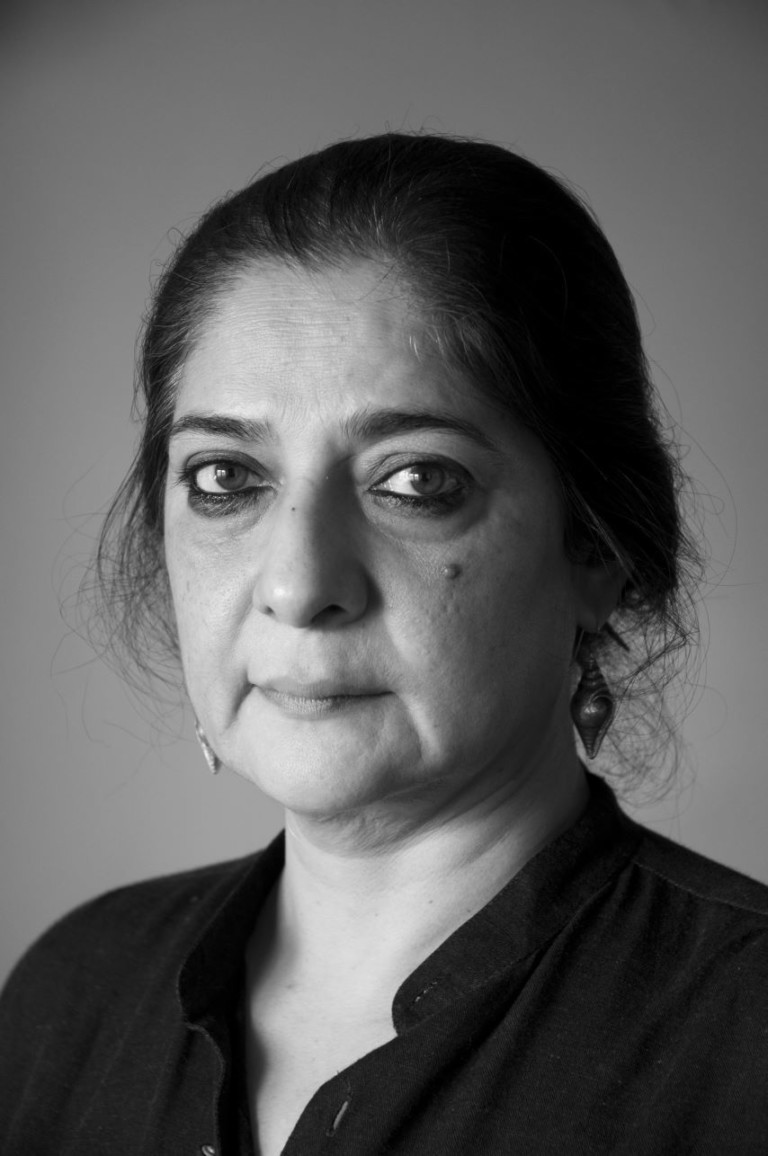
- Artists: Janet Price and Sheba Chhachhi
- Director of Photography: Sheba Chhachhi
- Camera: Caroline Smith, Annie Woodson, Izzy Pye, Anna Levin
- Writing and Narration: Janet Price
- Narration Recording and Editing: Christiane Cherene
- Vocals, composition and song: Jennifer John Music
- Vocal Recording and Mixing: What Studio?
- Editors: Sheba Chhachhi and Deepak Dubey
- Heart of Glass Producer: Emily Gee
Narrated in the first person by Janet Price, the three-channel video installation Beauty/Pain (2025) presents an embodied account charting the debilitations and potential possibilities that emerge in states of chronic distress; a biography of pain. Against a symptomatic reading of pain as signalling bodily waywardness or error, Chhachhi and Price orient us to view chronic pain as a compass towards the trans/formations underway in our inner worlds; as an interlocutor with dissident traditions of care, and as an unruly friend that can both estrange us from the world or submerge us in its shared precarities. The film opens with a close-up of Price’s hands working through a multicolored tangle of yarn, the act of weaving is rhythmic and tactile. Pain, on the other hand, is a discordant metronome, experienced in irregular spikes and protracted agonies, and often precludes the pleasure of touch.
Sheba Chhachhi’s works with photography, video, installation and experimental media, move from documenting women’s movements to large scale immersive experiences investigating body, cultural memory and ecology from a feminist perspective. Janet Price’s longstanding involvement with disability, race and feminist activism as a disabled queer feminist extends to her art practice, which engages with fibre and textiles. Their project for the Kochi-Muziris Biennale springs from the continuum of dialogue that friendship and shared politics inaugurates and draws from over ten years of conversations and voice recordings across continents.
The Greek word “pharmakon” signifies both remedy and poison: a ballad on opium maps the therapeutic use of opium, leading us into a critical analysis of narco politics from the 18thC to the present day. As medical science treats or “disciplines” Price’s pain, it expels her ability to feel pleasure and constricts her dreaming. The film interjects Price’s conversations with medical professionals, anchored by vivid visualisations of neural networks in her brain through medical imaging technologies, with rich images of indigenous knowledge systems, their origins ancient, yet practiced in contemporary times. The medical scan unravels the “machine” of the body, but we are made alert to its limits, its inability to address the emotional landscape of pain. A choral recounting maps the displacement of holistic and humoral traditions, herbal life worlds, and therapeutic methodologies rooted in principles of nurture and healing by the methods of modern medicine. Modern medicine attempts to individualise and conquer pain. These practices restore us to an interwoven and fragile existence, attuning us to the ceaseless labour of mycelial networks, the cooperation of trees, the sentience of plant life, and the echoes of intersectional feminist struggles.
Chhachhi and Price’s encounters with aspects of medical infrastructures, pharmaceutical giants, privatisation of provision, asymmetries of access to healthcare, racial and gender bias in medical disciplines, and its entanglement with overconsumption and earth threatening waste, turns them to other modes of relation. With community, in woodland spaces and Price’s garden, we witness how sustained acts of tending and co presence with the world can create possibilities for healing. Through lyrical imagery and narration, Beauty/Pain (2025) affirms the principle of interdependence and interbeing, and articulates personal and socio-political critiques of the material legacies of colonial modernity and racial capitalism, inviting us to breach the barrier of inexpressibility and speak of our pain.
Featuring:
Christina Parsons
Nataly Leboulex
Dr Nicholas Fallon
Dr Bernhard Frank
With special thanks to Liverpool Medical Institution for on site filming, to Grindl Dockery for additional camera work, and to Faith Bebington, Lily Tolhurst and Sally Theobald for their support.
Commissioned and produced by Heart of Glass. Supported by Arts Council England.
Supported by
Arts Council England champions, develops and invests in artistic and cultural experiences that enrich people's lives. They support a range of activities across the arts, museums and libraries - from theatre to digital art, reading to dance, music to literature, and crafts to collections.
Between 2011 and 2015, we will invest £1.4 billion of public money from government and an estimated £1 billion from the National Lottery to help create these experiences for as many people as possible across the country. Government funding is received from the Department for Culture, Media and Sport and requirements are laid out in our funding agreement with them.